2026 Top Home Energy Storage Solutions for Global Buyers
As the world shifts towards renewable energy, Home Energy Storage solutions are becoming essential for homeowners. In recent years, the global market for home energy storage systems has seen impressive growth, with a compound annual growth rate (CAGR) of 28% expected from 2021 to 2028, according to a report by Allied Market Research. This significant growth highlights the increasing demand for energy independence and efficiency.
Consumers are increasingly investing in home energy storage to mitigate electricity costs and increase energy security. A study from BloombergNEF found that over 1.5 million residential energy storage systems were installed worldwide by the end of 2022. However, despite this surge, many buyers still face challenges. Limited awareness and high upfront costs have been barriers to wider adoption.
The 2026 landscape presents various innovative solutions aimed at enhancing energy reliability. However, it is crucial for potential buyers to evaluate their specific needs and local regulations before making a purchase. Home Energy Storage is not just a trend; it is a vital component of a sustainable future. Understanding the market dynamics will empower consumers to make informed choices that align with their energy goals.
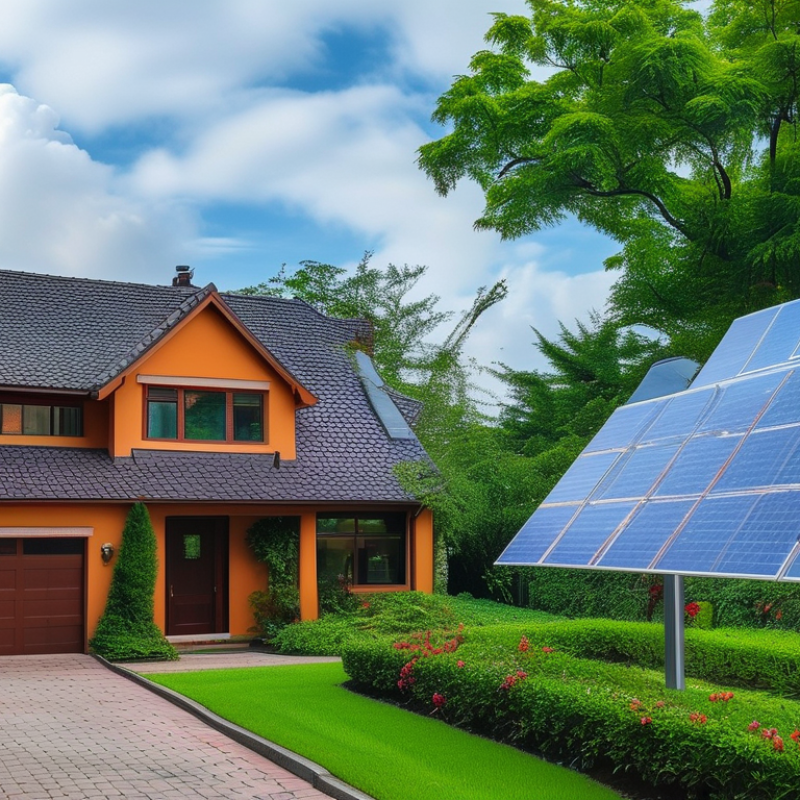
Overview of Home Energy Storage Systems in 2026
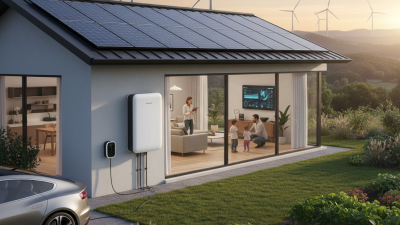
In 2026, home energy storage systems are set to transform residential energy management. The market is growing rapidly, driven by increasing demand for renewable energy sources. According to a recent report by the International Energy Agency (IEA), global energy storage capacity is expected to triple by 2026. Homes are increasingly relying on these systems to store excess energy generated from solar panels.
The technology behind these storage solutions is advancing quickly. Lithium-ion batteries dominate the market due to their efficiency and decreasing costs. The average price of lithium-ion battery systems has fallen by about 82% since 2010, according to BloombergNEF. Despite this progress, some challenges remain. For example, installation costs can be high, and not all homes have the ideal conditions for energy storage systems. Homes with limited roof space may struggle to generate sufficient energy for effective storage.
Consumer awareness is also a critical element. Many homeowners are unaware of the full benefits of energy storage, including backup power during outages. A report from EnergySage notes that only 16% of U.S. homeowners are familiar with energy storage options. As education and outreach efforts improve, the adoption of these systems is expected to rise. However, potential buyers must consider their unique circumstances, such as energy usage patterns and local regulations, before committing.
Key Features and Technologies of Top Energy Storage Solutions
In 2026, home energy storage solutions are evolving rapidly. Key features include advanced lithium-ion technology and innovative battery chemistries. According to a recent report by the International Energy Agency, the global energy storage market is projected to reach 270 GWh by 2026. This growth signifies a robust interest in energy independence and sustainability.
Many systems now incorporate smart technology. These systems allow for efficient energy management. Users can track performance in real time, optimizing energy consumption. Reports indicate that homes with energy storage can save up to 30% on energy costs annually. However, installation complexity remains a concern. Homeowners often face challenges in system integration with existing infrastructure.
Moreover, the recycling process of batteries is often overlooked. As more homes adopt these systems, the environmental impact grows. It is crucial that manufacturers improve battery lifecycle management. Addressing these issues could enhance overall system reliability and efficiency. Therefore, while the advancements are impressive, the industry must focus on sustainable practices and user education. Understanding the technology better can lead to more informed choices.
Comparative Analysis of Leading Brands and Models
As energy needs grow, selecting the right home energy storage solution becomes crucial. Various leading brands offer distinct features. Examining their specifications reveals vital information for potential buyers. Some units excel in storage capacity, while others focus on efficiency. Battery lifespan varies significantly across models. This variation may confuse buyers seeking long-term investments.
Performance metrics play a key role. Some systems provide advanced management features, allowing for real-time data analysis. This advantage ensures optimal efficiency. However, some models are cumbersome. They require complex installations, which may deter users. User-friendly designs are preferable but can be hard to find. An ideal system balances both innovation and usability.
Pricing remains a significant factor. Higher-end models often come with advanced technology and warranty services. However, budget-friendly options might lack certain features. Buyers should weigh their energy needs against their budget. Reflecting on these aspects leads to more informed decisions. Seeking independent reviews and comparisons can illuminate any hidden advantages or disadvantages.
Global Market Trends and Consumer Preferences in Energy Storage
The global energy storage market is evolving rapidly. According to a recent report by the International Energy Agency, the market for energy storage is projected to exceed $100 billion by 2026. This growth reflects increasing consumer demand for sustainable energy solutions. Homeowners are looking for reliable systems to manage energy use efficiently, especially with fluctuating energy prices.
Many consumers prioritize systems that offer a balance between cost and performance. Data shows that almost 70% of consumers consider battery durability and lifespan as crucial factors in their decision-making process. Additionally, ease of installation and smart home compatibility are becoming essential features. An increase in eco-conscious consumers is also driving demand for renewable energy integration, like solar power.
It is important to evaluate your energy needs carefully. Not every system suits every home. Research shows that consumers should ideally consult with energy experts to tailor solutions effectively. Maintenance costs are another detail often overlooked. Staying informed can guide your choices. Understanding local regulations could avoid future obstacles.
Future Predictions and Innovations in Home Energy Storage Solutions
The evolution of home energy storage solutions is accelerating. As demand for renewable energy rises, innovations are emerging. According to a report from Bloomberg New Energy Finance, the global market for home energy storage is projected to reach $11 billion by 2026. This growth highlights the increasing reliance on battery systems for energy independence.
Emerging technologies are reshaping the landscape. Solid-state batteries, for example, promise higher energy densities and faster charging times. A recent study by the International Energy Agency noted that smart energy management systems are crucial. These systems optimize when to store or use energy, making home systems more efficient. Despite advancements, challenges remain. The cost of installation and maintenance can deter homeowners.
Consumer education is vital. Many potential buyers still lack awareness of tax incentives and local regulations. The industry must work on addressing these gaps. As we approach 2026, the focus will be on reducing costs and enhancing technology. The aim is to make home energy storage accessible and reliable for all.