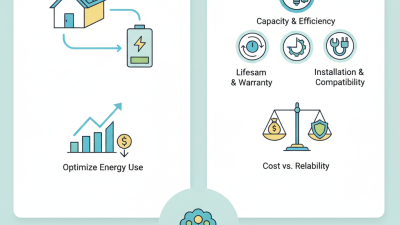
Why Choose Solar Backup Power for Your Home Energy Needs?
As energy demands rise, many homeowners seek reliable solutions. Solar Backup Power has become a popular choice. This system provides an effective way to maintain energy during outages. With frequent storms and unpredictable weather, energy reliability is essential.
Using Solar Backup Power helps reduce dependence on the grid. It ensures crucial devices remain powered when traditional electricity fails. Homeowners appreciate the peace of mind it brings. Investing in solar energy can also lead to significant savings over time.
Despite the advantages, there are challenges to consider. Initial costs can be high, and system maintenance requires attention. Understanding the long-term benefits helps in making an informed decision. Overall, Solar Backup Power offers a blend of reliability, sustainability, and cost savings for the modern home.
Understanding Solar Backup Power Systems
Solar backup power systems serve as a vital solution for homeowners seeking energy independence. These systems integrate solar panels with battery storage. This allows homeowners to harness energy from the sun and store it for later use. When the grid goes down, your house can still draw power from these stored reserves. This technology can provide peace of mind during outages.
However, the effectiveness of solar backup systems is often questioned. How much energy do you really need? Each household's needs vary greatly. It’s essential to assess your energy consumption accurately. Investing in a system that is too small could leave you in the dark. Conversely, an oversized setup can lead to unnecessary costs. Balancing your requirements requires careful planning and sometimes expert advice.
While the appeal of energy independence is strong, challenges exist. Battery technologies are not perfect. They vary in lifespan and efficiency. Understanding these factors can prevent frustration later. Regular maintenance is also needed to ensure peak performance. It's crucial to consider these elements when evaluating your solar backup power options. Ultimately, informed decisions can transform energy insecurity into reliability.
Benefits of Solar Backup Power for Homeowners
Many homeowners are turning to solar backup power systems. This choice enhances energy security and promotes environmental sustainability. A solar backup system captures sunlight and converts it into usable energy. When the grid fails, your home can still have power. This capability can be crucial during storms or outages.
One notable benefit is cost savings. After installation, maintenance costs for solar systems remain relatively low. Over time, you may find that your monthly utility bills decrease significantly. Additionally, many local governments offer incentives for solar installation. This can further reduce upfront costs. Yet, the initial investment can deter some homeowners. It’s essential to weigh these factors before making a decision.
Solar backup power also increases home value. A property equipped with such a system is often more attractive to buyers. However, it's important to research local regulations and installation requirements. Not all areas provide the same benefits or incentives. Engaging with reputable professionals can help navigate this landscape. This energy choice requires thought and responsibility, but the long-term benefits may outweigh the challenges.
Comparison of Solar Backup Power vs. Traditional Power Sources
When comparing solar backup power to traditional energy sources, distinct advantages become clear. For instance, the U.S. Energy Information Administration reported that residential solar systems can save homeowners an average of $1,500 annually on energy bills. Additionally, the operational costs of solar systems are often lower over time compared to fluctuating utility prices. This financial benefit makes solar a compelling choice.
Reliability is another critical factor. Traditional power sources can suffer from outages due to storms or maintenance issues. In contrast, solar backup systems can provide consistent energy flow. According to the National Renewable Energy Laboratory, homes with solar backup can maintain power during grid failures, offering peace of mind in emergencies.
However, transitioning to solar isn't without considerations. Initial installation costs can be high, and efficiency declines during cloudy weather. Homeowners should assess their local climate and energy needs before committing. The choice of energy should reflect personal circumstances and long-term goals. Balancing immediate costs with potential future savings warrants thoughtful reflection.
Why Choose Solar Backup Power for Your Home Energy Needs? - Comparison of Solar Backup Power vs. Traditional Power Sources
| Criteria |
Solar Backup Power |
Traditional Power Sources |
| Initial Cost |
Higher upfront investment |
Generally lower initial cost |
| Maintenance |
Low maintenance requirements |
Regular maintenance needed |
| Environmental Impact |
Clean and renewable |
Higher carbon footprint |
| Energy Independence |
Increased energy independence |
Dependent on utility companies |
| Reliability During Outages |
Works during power outages |
Service interruptions possible |
| Return on Investment |
Long-term savings expected |
Variable, often fluctuates |
Installation Considerations for Solar Backup Systems
When considering solar backup systems, installation is a critical factor. Proper installation can significantly impact system performance and longevity. Reports suggest that nearly 30% of installed solar systems underperform due to improper setup. Therefore, hiring experienced professionals is essential. Trained technicians understand local regulations and ensure compliance. They can also optimize system orientation and tilt, maximizing energy absorption.
Selecting the right location for solar panels is also vital. Panels should be installed where sunlight is unobstructed. Even a small amount of shade can reduce efficiency by 20% or more. Conducting a shading analysis helps identify optimal spots for installation. Additionally, assessing roof integrity is important. A compromised roof may require repairs before panel installation. This consideration can help avoid future issues and unnecessary expenses.
Lastly, battery storage systems should be evaluated during installation. According to recent industry reports, integrating high-quality batteries can enhance energy reliability by 50%. Evaluating storage needs based on household energy consumption is necessary. Finding the right balance between usage and storage capacity can lead to significant savings in the long run. Taking time for these considerations can yield a more effective and reliable solar backup system.
Energy Savings with Solar Backup Power
This chart illustrates the potential energy savings homeowners can achieve by using solar backup power systems throughout the different seasons. As seen, savings tend to be highest in summer, reflecting increased energy efficiency and usage reduction.
Cost Analysis and Incentives for Solar Backup Power Solutions
Solar backup power systems are increasingly chosen for their cost-saving potential. A study by the National Renewable Energy Laboratory (NREL) indicates that homeowners can save between $10,000 to $30,000 over 20 years when switching to solar power. This is significant for budget-conscious families. Initial setup costs may be daunting, but many states offer incentives. These can include tax credits and rebates. In California, for example, homeowners can receive up to 30% back through federal tax credits.
Incentives greatly influence the decision to invest in solar backup power. Data from the Solar Energy Industries Association (SEIA) demonstrates that nearly 70% of homeowners are motivated by available incentives. Energy storage solutions, including batteries, may qualify for additional incentives. This can reduce upfront costs significantly. However, users should be aware of potential maintenance and replacement costs. Some batteries may need replacements after a decade, impacting long-term savings.
While solar backup power presents many advantages, it is not without challenges. Weather variations can influence energy production. Consumers often need to evaluate compatibility with current systems. Physical space for installation may also pose limitations. It's essential to conduct thorough research and calculations. This ensures that the overall benefits outweigh any risks or hidden costs.