Choosing Solar Pv And Battery Storage is not a simple matter of comparing panel wattage and battery capacity. A reliable system begins with your home, not a glossy product brochure. Record daily electricity use, evening demand, roof direction, shading, and available installation space. A kettle, heat pump, or electric vehicle can change the design quickly. Small details matter.
Experienced installers usually assess twelve months of utility bills and inspect the roof in person. They should explain expected annual yield, usable battery capacity, round-trip efficiency, backup limits, degradation, and maintenance needs. Ask how the system performs during cloudy winter weeks, not only bright summer afternoons. Check product certifications, warranty terms, monitoring functions, and local grid requirements. Independent advice can expose optimistic sales estimates. A low price is not automatically good value.
The best choice balances safety, resilience, payback, and future flexibility. Lithium iron phosphate batteries may suit many homes, but chemistry alone does not settle the decision. Inverters, ventilation, fire protection, and qualified commissioning deserve equal attention. I have seen homeowners focus on maximum storage, then discover that their nighttime load is modest. That mistake is understandable. It is also expensive. Revisit the design after measuring real consumption for several weeks. No forecast is perfect. This guide will help you compare options carefully, challenge confident promises, and choose a system that fits both your property and your habits.
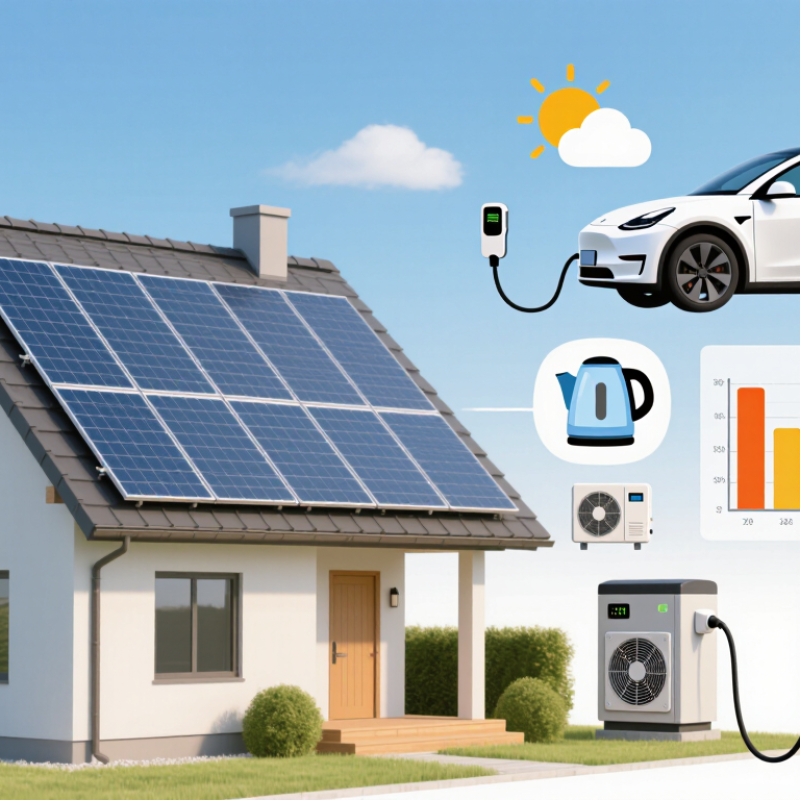
Understanding a solar PV and battery storage system starts with your daily electricity pattern. Solar panels generate power during daylight, while most homes use more energy in the evening. A battery stores suitable surplus power for later use. It does not create electricity, and its usable capacity is lower than its advertised capacity.
A practical assessment examines roof direction, shading, panel temperature, cable routes, and local weather. A south-facing roof may perform well, but nearby trees can reduce output at 9 a.m. and 4 p.m. An installer should also review your electricity bills and measure peak loads, such as an oven, heat pump, or electric vehicle charger.
A 5 kW solar array may not support every appliance at once. System design matters more than headline size.
Battery selection involves usable capacity, charge and discharge power, safety controls, warranty terms, and expected cycling. A 10 kWh battery may provide less than 10 kWh after reserve limits and conversion losses.
Backup operation also needs careful checking; some systems cannot power heavy loads during an outage. Local grid rules and building requirements should be confirmed before installation.
The calculation is rarely perfect. Household habits change, and winter production can disappoint even with excellent equipment. Monitoring data after commissioning can reveal mismatched settings, unnecessary standby consumption, or a battery that is too large for the home.
How to Choose Solar PV and Battery Storage
Assessing your energy needs should come before comparing equipment or prices. Start by reviewing twelve months of electricity bills. Then examine hourly usage for several ordinary weeks. Many homes consume little electricity at noon but draw heavily after sunset. Electric cooking, water heating, pumps, and vehicle charging can change the load profile quickly. Peak demand matters. A low monthly total can still require a powerful inverter during short, simultaneous loads.
Next, inspect the available solar resource at the property. Record the roof direction, pitch, usable area, and any nearby trees or buildings. Even narrow shadows can reduce output during important morning or afternoon hours. Local solar maps provide useful estimates, but an on-site survey is more dependable. Check seasonal sunlight, cloudy periods, snow, dust, and high temperatures. These details affect annual generation and battery charging.
Battery capacity should match the loads you want to cover, not every appliance in the home. List essential circuits, their running power, and how long they operate overnight. A qualified installer should verify roof structure, wiring, inverter limits, emergency isolation, and local electrical requirements. Ask for assumptions in writing, including degradation and expected winter performance. My early estimates often looked better than real winter results. That is a useful warning. Leave room for uncertainty, future energy use, and occasional days when solar production falls short.
Choosing solar panels starts with the site, not the product label. Monocrystalline panels usually provide strong output where roof space is limited. Thin-film panels can perform better on some low-light or lightweight structures, but they often need more area. Compare efficiency, temperature performance, warranty terms, and expected degradation. A shaded chimney can reduce production across an entire panel string. Small details matter.
The inverter is the system’s control center. Match its capacity with the panel array and local electricity demand. Hybrid inverters can coordinate solar generation, battery charging, and backup circuits. Battery storage also needs careful comparison. Lithium iron phosphate batteries commonly offer stable cycling and useful thermal characteristics. Check usable capacity, round-trip efficiency, cycle life, installation temperature, and protection features. A large battery is not automatically better. An oversized unit may sit partly unused for much of the year.
Tips: Ask for a written energy assessment using hourly consumption data, not only annual bills. Confirm whether the battery can power essential loads during an outage. Inspect cable routes, ventilation, mounting hardware, and monitoring access before installation. Keep space around electrical equipment clear. On real projects, forecasts can be too optimistic, especially when shading changes seasonally. Recheck assumptions. A conservative estimate may be more useful than an impressive one.
Typical efficiency ranges help compare the energy-conversion performance of common solar PV technologies and storage components. Higher efficiency can reduce space requirements, while system design should also consider cost, temperature, degradation, safety, and installation conditions.
Values are representative industry ranges rather than manufacturer-specific ratings. PV figures refer to module efficiency; battery figures refer to round-trip efficiency; inverter figures refer to peak conversion efficiency.
Battery capacity determines how long your home can operate. Power output determines what can run simultaneously. Start with a load list, not a battery brochure. Record essential appliances, their wattage, and daily operating hours. A refrigerator may need only 150 watts continuously, yet its compressor can demand far more during startup. Include that surge.
For capacity, multiply essential daily energy use by the required backup days. Then allow for inverter losses, temperature, and a reserve that protects battery life. A 10 kWh battery may deliver less usable energy than its nameplate rating. For power, add the running watts of appliances used together, then check their peak starting demand. NREL’s 2024 Annual Technology Baseline commonly models lithium-ion storage near 85% round-trip efficiency. The International Energy Agency reported about 42 GW of new battery storage additions worldwide in 2023. The technology is scaling quickly, but household sizing remains highly personal.
Tips: Separate critical and flexible loads. Keep lights, medical equipment, refrigeration, and communications on the backup circuit. Avoid sizing for every appliance unless the budget and solar array support it. A three-day backup sounds reassuring, but winter weather may produce several low-generation days. My early estimates often looked precise, yet ignored cooking habits and motor surges. A spreadsheet can still lie. Recheck real consumption after installation, and revise the operating plan before adding more capacity.
Choosing solar PV and battery storage requires more than comparing equipment prices. A realistic budget includes panels, an inverter, battery capacity, mounting hardware, labor, permits, and inspection fees. Roof repairs or an electrical-panel upgrade can add unexpected costs. Ask for an itemized quotation, not a single attractive figure.
Installation conditions shape long-term performance. A professional assessment should check roof age, shading, structural strength, cable routes, and local connection rules. A south-facing roof may perform well, but trees can reduce output during morning and afternoon hours. Battery placement also matters. It needs ventilation, weather protection, safe clearance, and practical access for maintenance. In my experience, rushed site surveys create expensive revisions later.
Long-term value depends on electricity rates, daily energy use, export payments, and battery replacement timing. A larger battery is not automatically better. If evening demand is small, unused capacity may weaken the financial case. Compare projected savings with degradation, insurance, monitoring, and future service costs. Request production estimates based on local weather data, and question assumptions that seem too perfect. The cheapest installation can become costly if workmanship, documentation, or warranty support is weak. Ask who handles faults, inspections, and end-of-life recycling. Payback matters, but resilience during outages and reduced grid dependence may matter more for some households.
| Evaluation Dimension | Typical Residential Solar PV | Solar PV with Battery Storage | Key Selection Considerations |
|---|---|---|---|
| Typical System Size | 4–10 kW of solar capacity | 4–10 kW of solar capacity plus 5–20 kWh of usable battery capacity | Size the system according to annual electricity consumption, available roof area, local sunlight, and the desired level of backup power. |
| Indicative Installed Cost | Approximately $2.50–$4.50 per watt before incentives, or about $15,000–$45,000 for a 6–10 kW system | Approximately $20,000–$60,000 before incentives for a solar PV system with a 5–20 kWh battery | Actual costs vary with system size, roof complexity, electrical upgrades, labor rates, permitting, and battery capacity. |
| Electricity Bill Reduction | Often reduces annual grid electricity purchases by approximately 40%–80% | Can reduce annual grid purchases by approximately 60%–95%, depending on operating settings and battery size | Results depend on household demand, solar production, export compensation, energy tariffs, and seasonal variation. |
| Energy Independence | Moderate; the system generally stops operating during a grid outage unless special backup equipment is installed | High; selected loads can continue operating during outages when the battery system includes approved backup and islanding controls | Confirm which circuits will receive backup power and whether the system can provide whole-home or essential-load backup. |
| Battery Usable Capacity | Not applicable | Common residential capacities range from 5 to 20 kWh usable energy | Usable capacity is lower than the battery’s nameplate capacity because systems normally retain a reserve to protect battery life. |
| Round-Trip Efficiency | Not applicable for direct solar use; inverter conversion losses typically reduce output by several percent | Commonly about 80%–95% from stored energy input to later usable output | Higher efficiency can improve the value of stored solar energy, particularly where electricity prices vary by time of day. |
| Roof and Site Requirements | Unshaded roof or suitable ground area, structurally sound mounting surface, and adequate space for electrical equipment | All PV requirements plus a suitable, code-compliant location for the battery and required clearances | Roof orientation, shading, structural condition, fire-access rules, ventilation, temperature, and flood exposure should be assessed before installation. |
| Electrical Upgrades | May require an inverter, new disconnects, conduit, grounding, and possible main-panel upgrades | May additionally require battery disconnects, backup-load equipment, control hardware, and protection against back-feeding during outages | Older electrical panels, limited service capacity, or long cable runs can materially increase installation cost. |
| Installation Timeline | Typically several weeks to several months, including design, permitting, utility approval, and construction | Often similar to PV alone but may take longer because of battery design, inspections, and backup configuration | Permitting and utility interconnection timelines vary substantially by location and project complexity. |
| Solar Panel Service Life | Commonly 25–35 years, with gradual annual output degradation | Commonly 25–35 years for the PV array, subject to inverter and battery replacement cycles | Many modern panels retain roughly 80%–90% of their initial rated output after 25 years, depending on product quality and conditions. |
| Battery Service Life | Not applicable | Typically about 10–15 years, or approximately 3,000–6,000 equivalent full cycles, depending on chemistry, temperature, and operating depth | Review cycle limits, calendar-life provisions, usable-capacity guarantees, and the expected cost of future replacement. |
| Maintenance Needs | Low; periodic visual inspection, monitoring, and removal of heavy dirt or debris may be required | Low to moderate; includes PV maintenance plus battery monitoring, ventilation checks, firmware management, and safety inspections | Systems should be kept accessible, and faults should be addressed by qualified electrical professionals. |
| Best Financial Use Case | Homes with strong daytime solar production, favorable export compensation, and sufficient roof space | Homes with high evening electricity use, time-of-use pricing, low export compensation, or a strong need for outage protection | Battery storage is not always the lowest-cost option for bill savings alone; its value may also come from resilience and load shifting. |
| Typical Simple Payback Range | Approximately 7–14 years before incentives, depending on electricity prices and solar production | Approximately 10–18 years before incentives, although savings can be higher where peak-period prices or outage costs are significant | Payback should include financing, maintenance, inverter replacement, battery replacement, incentives, taxes, and the value of exported electricity. |
| Long-Term Value | Lower electricity purchases, potential protection against rising utility rates, and possible property-value benefits | All PV benefits plus improved energy resilience, greater self-consumption, and reduced exposure to time-based electricity prices | Compare total lifetime cost and benefits rather than relying only on the initial purchase price or advertised annual savings. |
| Recommended Decision Rule | Choose PV first when the primary goal is reducing long-term electricity costs and the grid is reasonably reliable | Choose PV plus storage when backup power, evening energy use, demand-charge reduction, or low export rates justify the additional cost | Obtain multiple itemized proposals and verify production estimates, equipment capacity, warranties, permitting responsibilities, and service arrangements. |
| Note: Cost, performance, payback, and installation figures are general residential planning ranges in U.S. dollars. Actual results depend on location, electricity tariffs, incentives, system design, site conditions, financing terms, and local regulations. | |||