How to Choose BESS Batteries for Global Projects?
Selecting Bess Batteries for global energy projects demands more than comparing capacity and price. A battery that performs well in a mild warehouse may struggle in a desert substation or a humid coastal microgrid. Project teams must examine temperature ranges, humidity, altitude, cycling patterns, and available maintenance support. These details directly affect safety, usable energy, degradation, and long-term returns.
Experienced developers usually begin with the project duty cycle. Is the system designed for peak shaving, renewable integration, frequency regulation, or backup power? Each use case creates different stress on the cells. Lithium iron phosphate chemistry may offer strong thermal stability and long cycle life, while other chemistries can provide different energy or power advantages. The right choice depends on evidence, not marketing language. Factory acceptance tests, independent performance data, warranty terms, and supplier references should guide the decision.
Global projects also require careful attention to certification, grid requirements, transport conditions, and local service capability. A container delivered to a remote site needs compatible fire protection, monitoring systems, spare parts, and trained technicians. Small omissions become expensive delays. No selection is perfect. Forecasts can be wrong, and field conditions often change. Therefore, buyers should model realistic degradation, review worst-case temperatures, and request transparent assumptions from manufacturers. This guide explains how to compare Bess Batteries through technical performance, safety, lifecycle cost, and supplier reliability. It also questions common shortcuts, because the cheapest battery may not remain the cheapest asset.
Define Project Requirements and Battery Storage Objectives
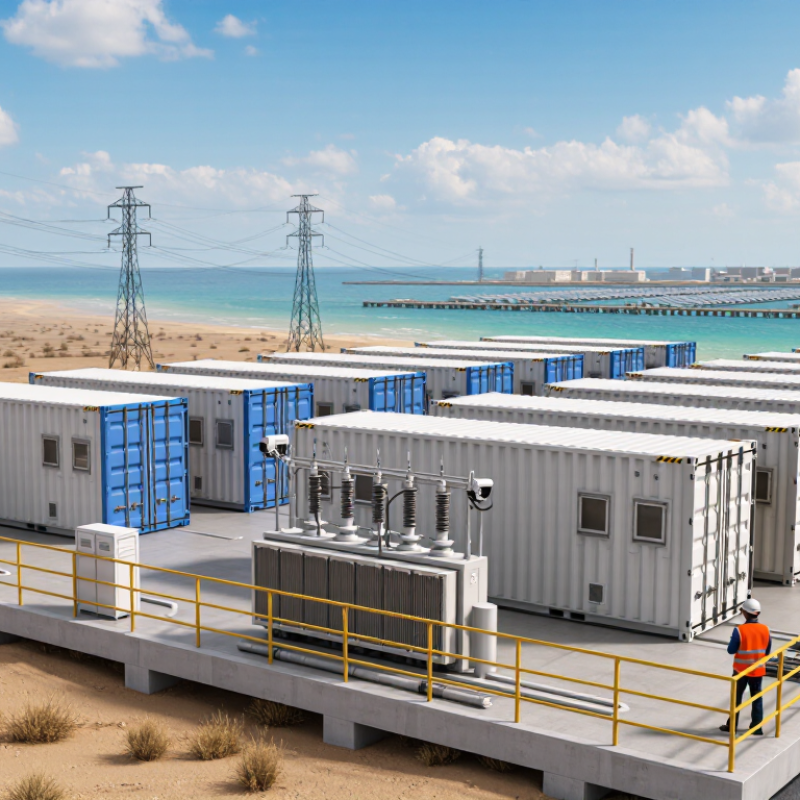
Choosing BESS batteries for global projects starts with a clear definition of project requirements. Battery capacity should match the required energy duration, not only the site’s peak demand. A two-hour system may support frequency control, while a six-hour system may better serve solar shifting. Identify the grid connection point, dispatch schedule, response time, and expected daily cycles. Weather matters too. A desert site may face 45°C heat, dust, and limited water for cooling. A northern site may require reliable performance below freezing.
Tips: Write the operating objective in one sentence. Measure the load profile for at least twelve months. Include seasonal demand, outage history, and renewable production data. Do not size batteries from average consumption alone. Peak events often define the real requirement.
Project owners should also define acceptable degradation, availability, maintenance access, and replacement plans. These details influence chemistry selection, thermal management, enclosure design, and total lifecycle cost. Local grid codes and fire safety requirements must be checked before procurement. Standards differ between regions, and assumptions can create expensive redesigns. A technically attractive battery may perform poorly if spare parts, trained technicians, or safe transport are unavailable. Field experience shows that small planning gaps can become long delays. A perfect forecast is impossible. Leave reasonable operating margins, then review them against measured site data. Temperature records, inverter limits, and emergency procedures deserve the same attention as nominal capacity.
How to Choose BESS Batteries for Global Projects?
Define Project Requirements and Battery Storage Objectives
Storage duration is a primary battery-selection criterion. Frequency regulation generally requires short-duration systems, while renewable energy shifting, capacity firming, and energy arbitrage typically require four to eight hours of storage. Final sizing should also consider load profiles, dispatch frequency, round-trip efficiency, degradation, ambient temperature, safety requirements, and local grid rules.
Indicative planning ranges based on commonly deployed utility-scale, commercial, industrial, and microgrid battery energy storage applications. Actual project requirements vary by market and operating strategy.
Compare BESS Battery Chemistries and Performance Characteristics
Choosing BESS batteries for global projects requires more than comparing datasheet efficiency. Chemistry shapes safety, lifespan, temperature tolerance, and operating cost. Lithium iron phosphate batteries offer strong thermal stability and long cycle life, making them suitable for frequent daily dispatch. Nickel-manganese-cobalt batteries can provide higher energy density, but they usually demand stricter thermal control. Sodium-ion systems may reduce mineral supply pressure, although their commercial maturity and low-temperature performance still require careful review.
Project conditions matter greatly. A two-hour grid-balancing system may value power output and fast response. A twelve-hour renewable-storage project needs dependable energy retention and predictable degradation. Check round-trip efficiency, usable capacity, C-rate limits, warranty assumptions, and auxiliary consumption. A battery that delivers 95% efficiency on paper may perform differently after cooling loads, aging, and seasonal temperature changes. Small details matter.
Site inspections should guide the final decision. In hot regions, container temperatures can rise quickly without effective ventilation or liquid cooling. In cold climates, charging restrictions may reduce available capacity. Fire detection, spacing, monitoring, and emergency procedures also affect usable land and operating costs. No chemistry wins every site. That assumption needs review. Procurement teams should compare lifecycle cost, replacement timing, local service capability, and recycling pathways. A lower purchase price can become expensive when degradation arrives early. Check the evidence, not just the promise.
Evaluate Safety, Reliability, and Environmental Conditions
How to Choose BESS Batteries for Global Projects?
Battery safety begins with the installation site, not the product brochure. Evaluate thermal runaway controls, cell spacing, pressure relief, and independent fire detection. A battery management system should monitor voltage, temperature, current, and abnormal cell behavior continuously. Ask for verified test reports, failure-response procedures, and clear maintenance records. Relevant IEC standards and local grid requirements should guide the review. Paper compliance alone is not enough.
Reliability depends on operating details. Compare cycle life at the project’s actual depth of discharge, temperature, and charging profile. Review expected capacity loss, auxiliary power use, replacement access, and remote diagnostic functions. A system may perform well in a laboratory, yet struggle with dust, unstable networks, or frequent cycling. Confirm how alarms are handled at night and during communication failures. Small gaps matter.
Environmental conditions can quietly shorten battery life. In hot regions, check cooling performance at peak ambient temperature. In cold climates, verify heating controls and low-temperature charging limits. Coastal sites need protection against salt mist, while high-altitude projects require derating checks. Consider humidity, flooding, seismic movement, and transport shock. One uncomfortable lesson is that standardized testing cannot reproduce every site condition. Field assumptions should be challenged, documented, and reviewed by qualified engineers before procurement.
Assess Compliance, Supply Chains, and Lifecycle Support
How to Choose BESS Batteries for Global Projects?
Compliance, supply chains, and lifecycle support should guide every BESS battery decision. The International Energy Agency reported that global battery storage additions reached about 42 GW in 2023. That growth increases pressure on safety testing, documentation, and service capacity. Verify compliance with IEC 62619, IEC 62933, UL 9540A, and local fire regulations. Requirements differ across countries and project types. Paper compliance is insufficient. Request test reports, factory quality records, transport documents, and clear installation limits. Independent engineering review can expose missing assumptions before shipment.
Supply resilience deserves equal attention. The IEA estimated that China held about 80% of global battery cell manufacturing capacity in 2023. This concentration may reduce prices, but it can increase exposure to port delays, policy changes, and raw-material disruptions. BloombergNEF reported an average lithium-ion pack price of 115 US dollars per kWh in 2024. Low price alone can hide weaker warranties or limited spare parts. Check cell origin, dual-source options, production capacity, and regional warehouses. Ask how quickly replacement modules can reach a remote site.
Tips:
Compare usable energy, not only nameplate capacity. Request degradation curves at the planned temperature and cycling profile. Confirm warranty exclusions, response times, software access, and end-of-life handling. A five-year support promise may sound strong, yet it can fail without trained local technicians. Require practical evidence from similar climates. Desert dust, tropical humidity, and winter icing reveal weaknesses that laboratory data may miss. Some project assumptions will be wrong. Review them annually.