How to Use Home Battery Storage Without Solar for Energy Independence?
In today's world, energy independence is a hot topic. Many households seek ways to reduce reliance on the grid. Home Battery Storage Without Solar is emerging as a viable option for this purpose. Imagine having a backup power source during outages. It brings peace of mind, especially in storm-prone areas.
Home battery systems can store energy from various sources. They can harness energy during off-peak hours. This stored energy can be used when electricity demand is high. However, not all battery systems are the same. The effectiveness greatly depends on the size and technology used. Users need to assess their energy needs before investing.
Yet, there are challenges. Battery life and maintenance can be areas of concern. Some may find the initial investment daunting. It's important to weigh the benefits against these potential drawbacks. Exploring Home Battery Storage Without Solar could be a game-changer. It invites a chance for greater self-sufficiency in managing energy.
Understanding Home Battery Storage Systems
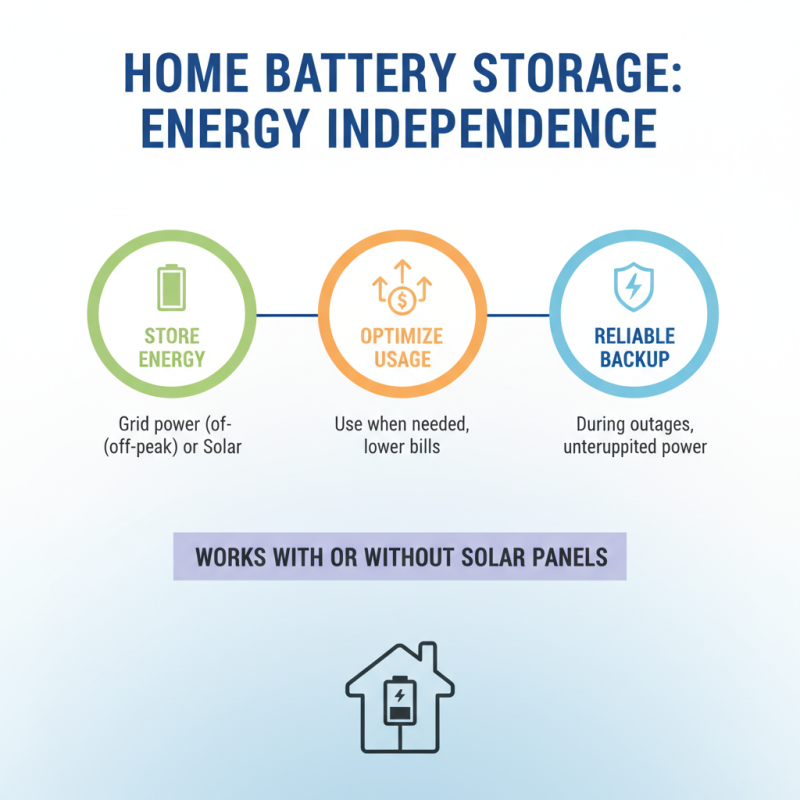
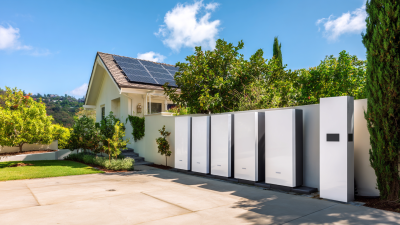
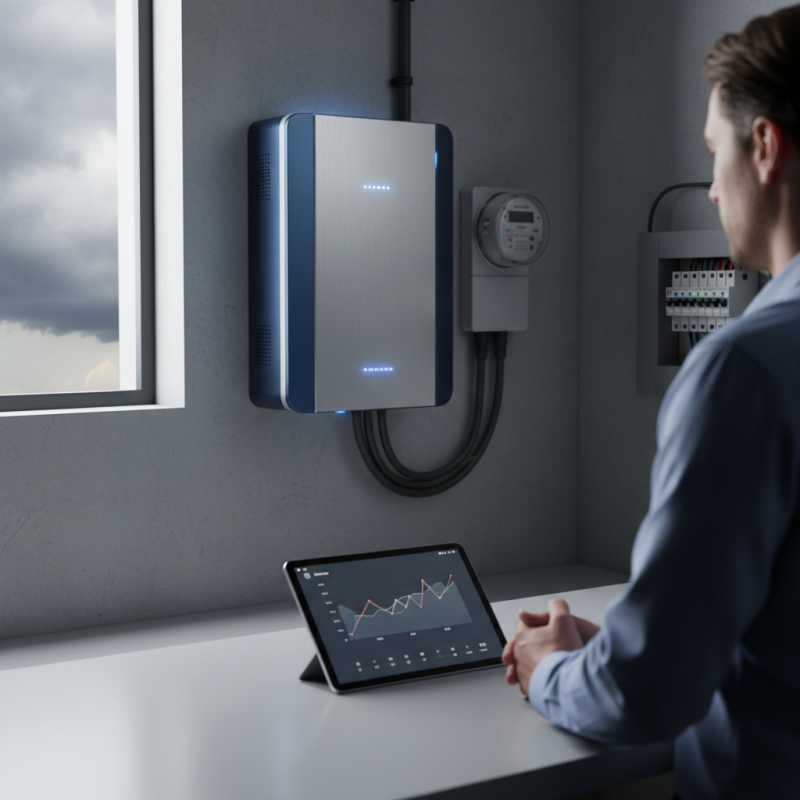
Home battery storage systems offer an intriguing route to energy independence. These systems store electricity for later use, allowing homeowners to leverage energy when it’s most needed. They function well even without solar panels and serve as a valuable backup during power outages. The batteries store electricity from the grid during off-peak times, when rates are lower.
When choosing a battery storage system, capacity is crucial. The right size depends on your household energy consumption. A system that’s too small won’t meet your needs. Additionally, installation can be complex. Consulting with an expert is often necessary. You might face issues with battery life and efficiency, leading to further costs down the line.
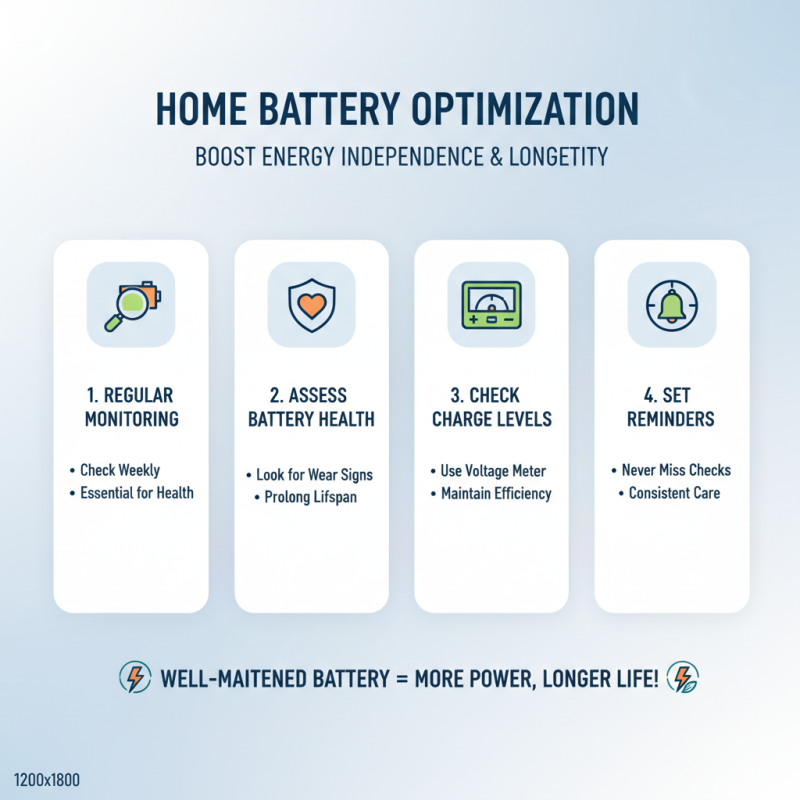
Monitoring usage is important too. Many batteries come with apps to track performance. It’s sobering to realize how much energy gets wasted. Maintenance is essential as well. Regular checks help ensure longevity and effectiveness. Home battery systems are not a one-size-fits-all solution. They require planning and reflection to optimize for your unique energy needs.
Assessing Your Energy Needs for Battery Storage
When considering battery storage without solar energy, assessing your energy needs is essential. Start by evaluating your daily energy consumption. Look at electricity bills from the past year. Identify usage patterns during peak hours. Make a list of essential appliances. This helps prioritize what needs power during outages.
Next, calculate the required battery capacity. Consider total wattage of the essential devices. Multiply by the number of hours you want them to run. It can get tricky here. You may underestimate or overestimate your needs. Keep in mind that some appliances consume more energy than expected. For instance, refrigerators have high startup currents.
Think about your charging options. Without solar, you'll rely on the grid or a generator. This can lead to additional costs and reliance on fluctuating energy prices. Keeping a backup plan is wise, but challenges remain. Balancing energy independence with practical limitations is a tightrope walk. Review your setup often to ensure it meets your current needs. Adjust as your lifestyle changes.
Types of Home Batteries for Energy Independence
When considering home battery storage for energy independence, it’s essential to understand the different types available.
Lithium-ion batteries are popular today. They store large amounts of energy efficiently. Their lifespan is typically long, but they can be pricey. Homeowners must weigh the initial cost against potential savings.
Lead-acid batteries are a more affordable option. They have been used for decades and are reliable. However, they weigh more and occupy more space. Their lifespan is shorter than lithium-ion options, which might not appeal to everyone. Some people find them too heavy to handle easily.
Saltwater batteries are an emerging technology. They are environmentally friendly and safe. Their storage capacity is lower compared to other types, though. Users may feel uncertain about this newer option. It may take time for it to prove itself in the market. Each type of battery has its trade-offs, and homeowners need to assess their unique needs carefully.
Integrating Home Battery Systems with Existing Energy Sources
Home battery systems can enhance energy independence, even without solar panels. These systems store energy from various sources, like the grid, wind, or hydropower. They can supply power during peak hours or outages. Imagine charging your battery at night when energy rates are low. You then use that stored energy during the high-cost day. This simple shift can cut monthly bills.
When integrating a battery system, consider your energy demands. Analyze your usage patterns and peak hours. A small home may require less storage than a larger one. Installation should match your lifestyle. Some users may not fully utilize stored energy. Regular checks are essential. Is the system functioning optimally? Are settings adjusted correctly for your needs?
Additionally, think about backup systems. Generators can complement battery storage by providing extra power when needed. Each home is unique, and your approach should reflect that. Finding the right balance will take a bit of trial and error. Embracing home battery systems is not only smart but also a journey toward energy freedom.
Home Battery Storage Efficiency Without Solar
This chart illustrates the efficiency percentages of different energy sources when using home battery storage without solar panels. The highest efficiency is seen in battery discharge, showcasing the effectiveness of using a stored energy source. Grid power and wind power provide moderate efficiency, while generator efficiency is the lowest among the options analyzed.