How to Choose the Best Solar Backup Power System?
Choosing a Solar Backup Power system is not simply a matter of buying the biggest battery. The right setup depends on what you need to keep running, for how long, and whether solar panels can recharge it during an outage. A refrigerator, modem, a few LED lights, and a medical device create a different load than an electric range or central air conditioner. Small details matter. Note each device’s running watts, startup surge, and likely hours of use; a pump may draw far more power when it starts than its label suggests. If possible, review recent utility bills and ask a qualified installer to assess essential circuits.
Compare usable battery capacity, inverter output, expansion options, warranties, and transfer methods—not just advertised storage. Kilowatt-hours estimate stored energy; kilowatts describe how much power the system can deliver at once. Both matter. Check whether the battery chemistry, temperature limits, and placement suit your home. Follow manufacturer guidance and applicable local requirements for installation and maintenance. Solar panels may extend backup time, but cloudy weather, roof shade, and seasonal daylight can reduce recharging. There is no perfect setup. A modest system sized around real needs may serve you better than an expensive one chosen by guesswork. This guide explores how to compare options, estimate critical loads, and ask practical questions before buying. Some uncertainty is normal. Record it, then verify it.
Estimate Critical Loads: EIA Reports 10,791 kWh per U.S. Home in 2022
How to Choose the Best Solar Backup Power System?
The U.S. Energy Information Administration reported average household electricity use of 10,791 kWh in 2022. That equals roughly 29.6 kWh per day across the year. It is useful context, not a sizing target. A household’s actual needs can shift with climate, home size, heating equipment, and daily habits.
Estimate critical loads instead of trying to back up everything. List essentials such as the refrigerator, a few lights, internet equipment, and medical devices. Check each appliance’s wattage label, then estimate how many hours it may run during an outage. A refrigerator might draw modest power while cycling, but its startup surge can be higher. Small details matter.
Keep a simple worksheet. For example, a 100-watt device running for 8 hours uses about 0.8 kWh. Add the loads you truly need, then allow extra capacity for surges and cloudy days. Not every estimate will be right. Track your household’s use for a week, revise the list, and ask a qualified installer to review system limits and safe connections. A national average cannot tell you what your family needs at 2 a.m.
How to Choose a Solar Backup Power System: Estimate Critical Loads
The U.S. Energy Information Administration reported average household electricity use of 10,791 kWh in 2022. At that annual-average rate, estimated energy use is about 29.56 kWh per day. These figures provide context—not a critical-load estimate or a system-sizing recommendation.
Values are calculated from 10,791 kWh per year using 365 days and a constant average-use rate; actual consumption varies. To size backup power, list the appliances you need to run, their wattage, and required runtime, then account for inverter capacity and system losses.
Source: U.S. Energy Information Administration (EIA), 2022 average residential electricity consumption.
Size Usable Battery Capacity by Backup Hours and NREL’s 85% RTE Benchmark
A backup system should be sized around the energy your essential devices use during an outage. List each load, its watts, and expected run time. A refrigerator averaging 120 watts for 12 hours uses about 1.44 kilowatt-hours. Add lights and a modem, and the total might reach 1.9 kilowatt-hours. Real use varies.
Compare that demand with usable battery capacity, not the battery’s headline capacity. Allow for inverter losses and avoid planning to drain the battery completely. If your loads need 1.9 kilowatt-hours of AC power and the inverter is 90% efficient, the battery must supply roughly 2.1 kilowatt-hours. A modest reserve helps cover longer outages or unexpected loads. It is easy to underestimate startup surges.
NREL’s 85% round-trip-efficiency benchmark is useful when estimating recharge energy. Round-trip efficiency describes energy lost across charging and discharging; it is not a direct measure of how much stored energy appliances can use. At 85%, restoring 2.1 kilowatt-hours may require about 2.5 kilowatt-hours from the charging source. Check the system’s tested figures, since actual efficiency depends on operating conditions. The estimate will still be imperfect. Review your assumptions after tracking real household use.
Match Inverter Continuous and Surge Ratings to Loads and 120/240-V Circuits
A solar backup inverter must match both steady demand and brief startup surges. The U.S. Energy Information Administration’s 2020 Residential Energy Consumption Survey reports average household electricity use of about 10,500 kilowatt-hours annually. That figure describes energy, not peak power. A home can use modest energy overall yet briefly demand much more when pumps or compressors start.
List the loads that must run together, then add their running watts. Check each appliance label and manufacturer data for starting watts or current. Motor-driven equipment can draw several times its normal current during startup, though the exact surge varies. NREL’s End-Use Load Profiles for the U.S. Building Stock provides residential demand profiles at 15-minute intervals, illustrating why loads change through the day. A single average is not enough.
For surge capacity, check both the inverter’s peak rating and how long it can sustain that rating. Then verify its output matches the circuits: many U.S. homes use 120/240-volt split-phase service. A 240-volt well pump or range needs compatible 240-volt output; two separate 120-volt outlets do not automatically provide it. Also check which loads sit on each 120-volt leg. Uneven loading can limit usable capacity. Leave headroom, and confirm the actual starting behavior before relying on the system. Nameplate estimates can miss the real startup peak.
How to Choose the Best Solar Backup Power System? - Match Inverter Continuous and Surge Ratings to Loads and 120/240-V Circuits
Check Solar Recharge Time Against PV Output, Weather, and Battery Charge Limits
A solar backup system’s recharge time depends on energy used, not just the panel’s advertised wattage. If a battery needs 1,000 watt-hours restored and the array averages 500 usable watts, two hours is only a rough estimate. Real output changes throughout the day. A roof edge, passing cloud, or dusty panel can reduce production.
Estimate daily solar energy using the array’s actual output and local peak-sun hours, then allow for conversion losses. For example, a 400-watt array receiving four peak-sun hours produces up to 1,600 watt-hours before losses. The usable amount will be lower, especially in winter or under partial shade. Weather forecasts help, but they cannot promise steady sunshine.
Check the battery’s maximum charging power and the charge controller’s limit. If the panels can supply more than the battery accepts, charging will be capped. Near full charge, many batteries also slow their intake, so the final portion can take longer. Small detail, big difference. I would plan around a cautious estimate rather than the clearest summer day; even that estimate can miss local shade or changing weather. Read the system specifications, and compare expected daily solar energy with the energy your essential devices use.
Verify Grid Isolation and Safety: UL 1741 Inverters and UL 9540 Storage Systems
How to Choose the Best Solar Backup Power System?
The critical question is whether the system can isolate your home from the grid. A properly listed inverter should prevent dangerous backfeeding during an outage. Grid power must stay outside. UL 1741 covers important inverter functions, including anti-islanding behavior and safe interaction with electrical equipment. However, a UL mark does not prove that every installation is suitable. The model, operating mode, and installation instructions still require careful review.
For batteries, look for a complete energy storage system listed to UL 9540. This standard evaluates the combined system, including batteries, controls, and related equipment. It is different from checking an individual battery component. Ask for the exact listing scope, approved operating conditions, and required clearances. A battery can appear compact in a garage, yet ventilation, temperature, and separation requirements may change the installation plan.
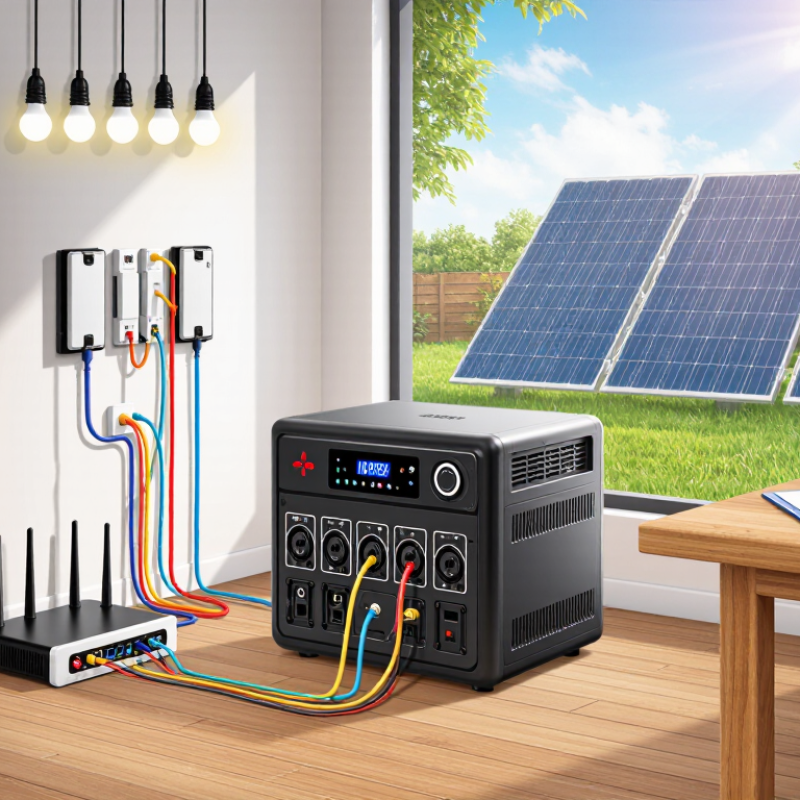
Before purchasing, request a single-line electrical diagram and a written transfer strategy. Confirm how the system detects a blackout and disconnects from utility conductors. A qualified electrician should verify grounding, overcurrent protection, and local inspection requirements. Small assumptions become expensive. I would also question vague claims such as “island-safe” without test documentation. Certification helps, but it cannot replace site-specific engineering, realistic load calculations, and regular maintenance. Leave room for human error. Fault labels, accessible disconnects, and clear instructions matter when the lights suddenly go out.