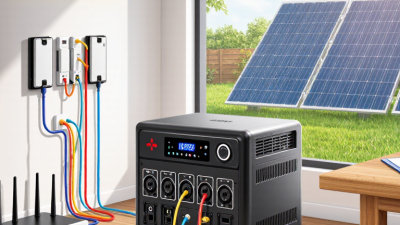
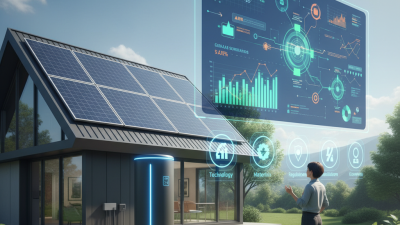
When the grid fails, a quiet house can change within seconds. The refrigerator stops humming. The router goes dark. A reliable Solar Backup system should restore essential power, not imitate the entire grid. Choosing one requires more than comparing battery capacity or glossy efficiency claims. You need to examine energy demand, sunlight, installation conditions, and local safety requirements. This guide explains how to compare these factors with practical judgment. It focuses on verified specifications, realistic operating scenarios, and qualified installation support. Small details matter.
Start by listing essential appliances and their running watts. Then record starting surges from pumps, refrigerators, or workshop tools. A battery rated at 10 kilowatt-hours may not handle a large motor. Inverter output, transfer time, battery chemistry, warranty terms, and replacement access deserve equal attention. Shade, roof direction, seasonal weather, and available wall space can change expected performance. Ask manufacturers for test conditions, not just peak numbers. Look for recognized certifications and documentation an experienced electrician can verify. A professional site assessment remains valuable, especially for homes with medical equipment or complex wiring. Yet no system is perfect. Forecasts can be wrong, batteries age, and household demand grows. Planning a modest reserve may be wiser than chasing maximum independence. The best choice balances resilience, cost, maintenance, and honest expectations. Read carefully. Test assumptions. Then choose a Solar Backup solution that fits your home, climate, and daily priorities.
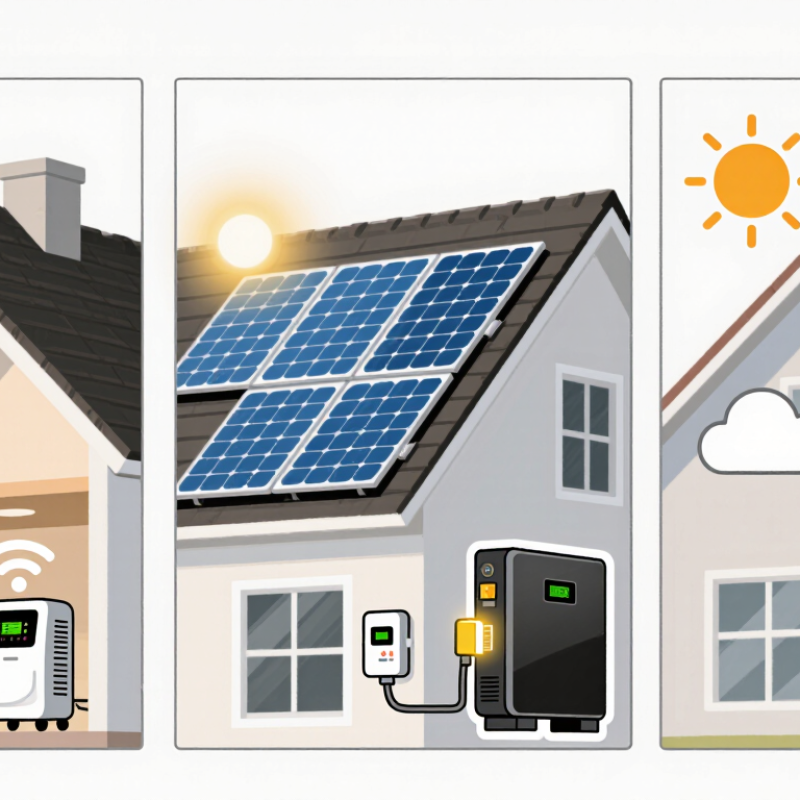
A solar backup system stores sunlight for use when the electrical grid fails.
Solar panels generate direct current during daylight hours. A charge controller manages the energy entering the battery. The inverter then changes stored direct current into household alternating current. A transfer switch separates backup circuits from the public grid during an outage. This separation protects utility workers and prevents dangerous reverse power flow.
In practice, the system may power a refrigerator, internet equipment, lights, and medical devices. It may not support every appliance at once. Choosing the right system requires checking both energy capacity and output power.
A battery with 10 kilowatt-hours can store energy, but its inverter may limit which devices operate together. A water pump and an electric heater can create a sharp demand spike. That distinction matters.
I have seen homeowners estimate needs from monthly bills alone.
That method often misses short, heavy loads. List each essential appliance, its running watts, and its starting watts. Consider cloudy weather, battery age, and several outage days. Local electrical rules also affect installation, especially for transfer equipment and indoor battery placement. Professional inspection improves reliability, although the calculations are never perfectly predictable. Real household use is messier than a spreadsheet. A smaller system may be more practical than an oversized one.
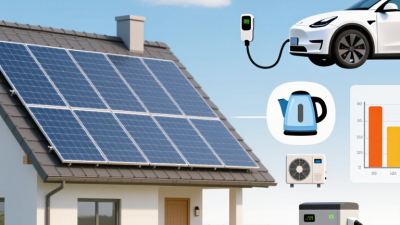
Begin with a room-by-room load inventory. Record each appliance, its wattage, and expected daily runtime. Include refrigerators, medical equipment, pumps, lighting, routers, and heating controls. Do not rely only on monthly electricity bills. They hide short, powerful surges. A refrigerator may use modest energy but need extra starting power. Measure twice.
Separate essential loads from comfortable extras. During an outage, you may need refrigeration, lights, internet, and a sump pump. You may not need an oven, dryer, or electric vehicle charger. List the starting wattage and running wattage for each essential device. Then add them carefully. This avoids choosing a system that works on paper but trips at night.
Consider outage length, sunlight, and battery reserve. A one-day backup needs different capacity than repeated winter outages. Review your roof shade, local weather patterns, and seasonal solar production. A qualified electrician should verify wiring, transfer equipment, grounding, and local requirements. Safety is not a calculation shortcut. I would also leave a margin of about 20 percent, although that is not universal. Families often underestimate future loads, especially after adding a freezer or home office. A smaller system can be cheaper, yet disappointing when the first long outage arrives.
Choosing the best solar backup system starts with comparing components, not chasing the largest battery. Estimate essential loads, such as a refrigerator, router, lights, and medical equipment. Record each device’s running watts and starting surge. The inverter must handle both.
A system with 5,000 watt-hours may sound impressive, but poor efficiency or heavy night-time use can reduce practical runtime. Battery chemistry also matters. Lithium-based batteries usually offer deeper usable capacity and longer service life, while operating temperature and installation space still require attention.
Tips: Check usable capacity, continuous output, surge output, recharge time, transfer speed, monitoring access, and protection features. Ask for test reports, clear warranty terms, and installation guidance. Do not compare storage capacity alone. That shortcut is tempting, but incomplete.
The solar controller should match the panel voltage and expected production. An inverter with multiple tracking inputs can perform better when panels face different directions or receive partial shade.
During professional site checks, I also examine cable length, ventilation, noise, and emergency isolation access. These details are easy to overlook. They can affect safety and daily comfort.
Grid interaction and local electrical requirements should be reviewed by a qualified installer. I once underestimated evening cooking loads in a household assessment; the calculated battery size looked adequate, yet the reserve disappeared earlier than expected.
That mistake reinforced a useful lesson: compare systems against real habits, not ideal assumptions.
Reliable systems also provide readable alerts, event logs, and a clear maintenance process when conditions change.
Installation choices shape both performance and long-term cost. A qualified electrician should inspect your roof, service panel, wiring, and available battery space. Ask for a written load assessment, not a guess based on monthly bills. Essential circuits may include refrigeration, lighting, internet equipment, and medical devices. Whole-home backup usually requires larger equipment and more complex electrical work. Local permits, fire clearances, and utility rules can also change the installation schedule.
Costs extend beyond panels and batteries. Compare equipment, labor, permits, monitoring, backup switching, and possible panel upgrades. Request an itemized quotation with warranty periods and service exclusions. A lower bid may omit trenching, structural repairs, or future battery expansion. That mistake can become expensive. I would not trust a savings estimate without checking seasonal sunlight, battery cycling, and electricity rates. Ask whether the installer documents testing and explains emergency shutdown procedures.
Maintenance is usually manageable, but it is not zero. Keep vents clear and check outdoor equipment for dust, corrosion, water damage, or loose covers. Review system alerts monthly and arrange professional inspections according to the equipment manual. Battery capacity can decline over time, especially in high temperatures. Temperature control matters. Keep records of faults, repairs, and performance changes. Even careful planning can miss something, so choose an installer who answers questions clearly and corrects errors promptly.
Choosing the best solar backup system starts with your actual energy needs, not the largest battery available. List essential appliances, such as a refrigerator, medical equipment, lights, internet equipment, and a water pump. Record each device’s wattage and daily operating time. A refrigerator may use modest energy but require a high starting surge. That detail can affect inverter selection.
Decide how long you need backup power. A small battery may cover evening lighting, while a larger system can support several appliances overnight. Check the inverter’s continuous and peak output ratings carefully. If you want solar charging during an outage, confirm that the system can operate safely while the grid is disconnected. Local electrical rules may require professional installation, permits, and specific isolation equipment. Do not treat those requirements as optional.
Consider your roof space, sunlight exposure, weather, and future electricity use. Batteries perform differently in extreme heat or cold, so ventilation and temperature control matter. Ask about usable capacity, cycle life, protection features, monitoring, and warranty conditions. A low purchase price can hide replacement costs. I have seen neat-looking system plans fail because they ignored cable length or startup loads. That mistake is easy to make. Leave room for honest review, especially if your household habits change.
Use this comparison guide to match system size, battery capacity, solar input, and backup priorities with your household or small-business requirements.
| Backup Profile | Typical Essential Loads | Recommended Inverter Output | Suggested Usable Battery Capacity | Typical Backup Duration* | Recommended Solar Array Size | Suitable Applications | Key Selection Considerations |
|---|---|---|---|---|---|---|---|
| Basic Emergency Backup | LED lights, Wi-Fi router, phone chargers, small electronics, and a compact refrigerator | 1.5–3 kW continuous output; approximately 3–6 kW surge capacity | 3–6 kWh | 8–16 hours for essential loads | 1.5–3 kW of solar panels | Apartments, small homes, and short power interruptions | Prioritize low standby consumption, quiet operation, portability, and simple installation. |
| Essential Home Backup | Refrigerator, lighting, internet equipment, television, security system, computer, and selected outlets | 3–5 kW continuous output; approximately 6–10 kW surge capacity | 8–15 kWh | 12–24 hours for essential loads | 3–6 kW of solar panels | Typical homes requiring overnight backup | Check refrigerator and pump starting currents, transfer-switch compatibility, and available installation space. |
| High-Comfort Home Backup | Essential loads plus freezer, medical equipment, small kitchen appliances, sump pump, and selected heating or cooling circuits | 5–8 kW continuous output; approximately 10–16 kW surge capacity | 15–30 kWh | 18–36 hours, depending on heating and cooling use | 5–10 kW of solar panels | Family homes with longer outages and higher comfort expectations | Separate essential and nonessential circuits; high-power heating, water heating, and air-conditioning loads can rapidly increase battery demand. |
| Whole-Home Resilience | Most household circuits, including several high-demand appliances, pumps, and selected heating or cooling equipment | 8–15 kW continuous output; approximately 16–30 kW surge capacity | 25–60 kWh | 12–36 hours, depending on total consumption | 8–15 kW of solar panels | Large homes, rural properties, and areas with frequent or extended outages | Requires careful load calculation, adequate service-panel capacity, local electrical approvals, and sufficient battery and inverter ventilation. |
| Small Business or Workshop Backup | Lighting, point-of-sale equipment, networking devices, refrigeration, computers, selected tools, and critical machinery | 10–30 kW continuous output; surge capacity must be matched to motor-driven equipment | 30–100 kWh | 4–24 hours, based on operating schedule and equipment demand | 15–40 kW of solar panels | Shops, offices, farms, workshops, and small commercial facilities | Review three-phase requirements, motor starting currents, peak demand, battery cycling, and the cost of downtime. |
| Solar-Only Recharge Priority | Critical loads with daytime solar recharge and limited overnight operation | 3–8 kW continuous output | 8–20 kWh | 8–24 hours, with next-day solar recharge | Solar array sized to replace daily energy use and recharge the battery | Sunny locations with predictable daytime energy consumption | Compare winter solar production, shading, panel orientation, and the battery’s maximum charging power. |
| Extended Cloudy-Weather Backup | Critical household or business loads operated for several days with limited solar generation | 3–15 kW continuous output | 20–60+ kWh | 24–72 hours, depending on load reduction | Solar array sized for seasonal conditions and battery recovery | Regions with long outages, winter storms, or variable sunlight | Increase energy efficiency first, then evaluate additional battery capacity, generator integration, and seasonal solar performance. |
*Planning note: Backup duration is an estimate based on essential-load operation rather than full household consumption. Actual performance varies with appliance power, startup surges, inverter efficiency, battery reserve settings, temperature, battery age, solar conditions, and local electrical regulations. A professional load assessment should be completed before installation.